UTI in Dogs: Signs, Causes and Care for Senior Dogs
You notice your dog asking to go out every few minutes, then squatting and producing only a few drops. It is frustrating for them and worrying for you. One of the most common reasons behind this is a UTI in dogs, short for urinary tract infection. It is more common in older dogs, and it is very treatable when caught early.
This guide explains what a UTI is, the signs to watch for, why senior dogs are more at risk, how a vet confirms it, and what you can do at home to keep your dog comfortable while you arrange care.
What Is a UTI in Dogs?
The urinary tract includes the kidneys, the ureters, the bladder and the urethra. A UTI happens when bacteria get into this system and multiply. Most infections start in the lower part, meaning the urethra and the bladder, because bacteria travel up from the outside.
Normally, the flow of urine flushes bacteria out. When that flushing is weak, or when the body’s defenses are lower, bacteria can settle in. If the infection is left alone, it can sometimes travel higher up toward the kidneys, which is a much more serious problem.
Common Signs of UTI in Dogs
The signs can be easy to miss at first, especially in a quiet older dog. Watch for these changes:
- Needing to urinate much more often than usual
- Straining or squatting for a long time with only a little urine coming out
- Accidents in the house from a dog who is normally clean
- Cloudy, dark or strong-smelling urine
- Blood in the urine, which may look pink or red
- Licking the genital area more than normal
- Whining or looking uncomfortable when urinating
- Lower energy, less appetite or a fever in more advanced cases
Many of these signs also appear with other conditions, such as bladder stones, kidney problems or diabetes. That is why guessing at home is not a good idea. If your dog is also drinking much more than usual, read our guide on an old dog drinking a lot of water to understand what else could be going on.

Why Senior Dogs Get UTIs More Often
Age changes the body in ways that make infections easier to catch. Several factors often work together.
Weaker Bladder Control
Older dogs may not empty the bladder completely. Urine that sits for longer gives bacteria more time to grow. Weak muscles and slower movement can also mean fewer trips outside.
Other Health Conditions
Conditions that are more common in seniors, such as kidney disease, diabetes and hormone problems, can change the urine and lower the body’s ability to fight bacteria. Sometimes a UTI is the first clue that something else is happening, which is one reason vets like to look at the full picture.
Mobility and Hygiene Problems
A dog with sore joints may find it hard to squat, stand for long, or clean herself properly. Dogs with stiff hips and legs may also hold their urine because going outside hurts. If your dog is slowing down, our article on the signs of aging in dogs can help you spot other changes.
Female Dogs and Anatomy
Female dogs are generally more prone to UTIs because their urethra is shorter, which gives bacteria an easier route to the bladder. Male dogs can get them too, and in males a vet may look more closely for an underlying cause.
When to See a Vet Right Away
Any suspected UTI deserves a vet visit, but some signs mean you should not wait:
- Your dog is trying to urinate and nothing comes out at all
- Repeated vomiting, a swollen or painful belly, or extreme weakness
- Fever, shaking or refusing food and water
- Visible blood together with obvious pain
A dog who cannot pass urine may have a blockage, which can become an emergency very quickly. If your dog also stops eating and drinking, see our guide on a senior dog not eating or drinking.
How Vets Diagnose a UTI
Your vet will usually start with a physical exam and ask about your dog’s habits, water intake and any changes you have seen. The key test is a urinalysis, where a urine sample is checked for bacteria, blood, crystals and other signs of infection.
In many cases the vet also sends a urine culture. This identifies the exact bacteria and shows which treatment works best. Depending on your dog’s age and symptoms, blood tests or imaging such as an X-ray or ultrasound may be suggested to look for stones or other problems in the urinary tract.
A fresh sample helps. Ask your vet how they would like it collected, since a clean sample gives more reliable results.
Treatment Is Decided by Your Vet
Most UTIs in dogs are treated with a course of veterinary prescribed medication chosen for the type of bacteria found. Your vet may also suggest pain relief made for dogs and encourage more water intake. Follow the full plan exactly as given, even if your dog seems better after a few days, because stopping early can let the infection return.
Never give your dog any medicine meant for people, and do not use leftover pills from an earlier illness. The wrong choice or amount can harm a dog. Your vet may also ask for a follow-up urine test to confirm the infection has cleared.
How to Support Your Dog at Home
While your dog is recovering, small daily habits make a real difference:
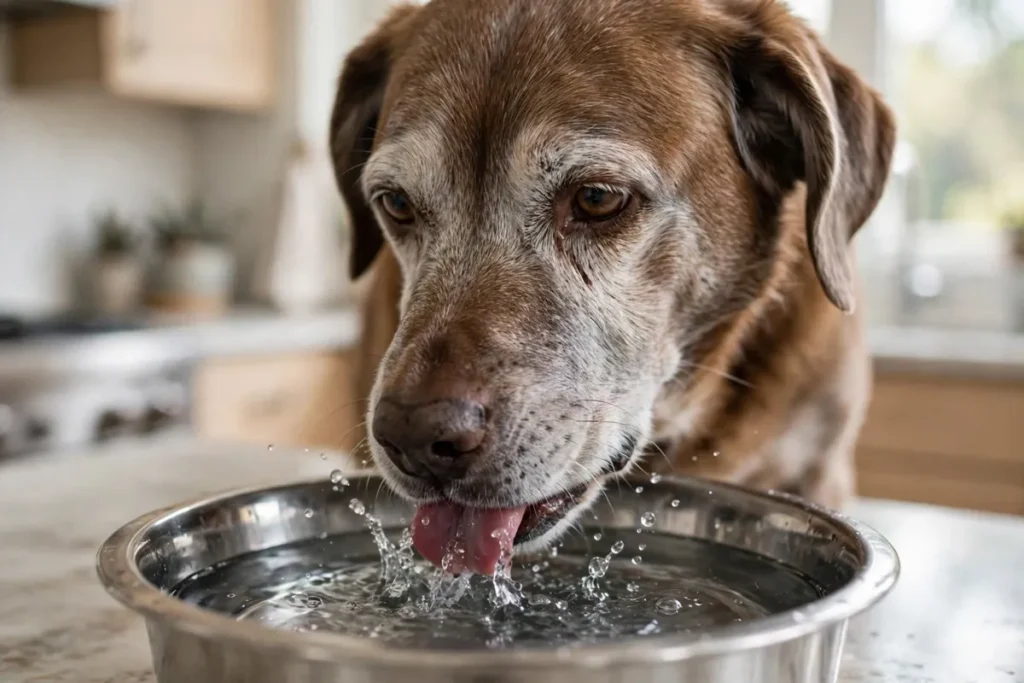
- Keep fresh, clean water available in more than one spot so drinking is easy.
- Offer frequent bathroom breaks, even if it means waking your dog at night.
- Be patient with accidents. Your dog is not misbehaving, and scolding only adds stress.
- Gently keep the area around the genitals and the back legs clean and dry.
- Use washable pads or covers on bedding so cleanup is easy.
- Give every dose of the prescribed treatment on time and note any changes to share with your vet.
Can You Prevent UTIs in Dogs?
You cannot prevent every infection, but you can lower the chances. Regular bathroom breaks stop urine from sitting in the bladder for too long. Good hydration helps flush the system. Keeping the fur around the rear area trimmed and clean, especially for long-haired dogs, reduces the bacteria that can reach the urethra.
Routine senior check-ups matter too. Many vets suggest a check at least once or twice a year for older dogs, and they may include a urine test, which can find trouble before obvious signs appear. If your dog gets repeated infections, ask your vet to look for an underlying cause rather than only treating each round.
Frequently Asked Questions
Can a UTI in dogs go away on its own?
It is not safe to count on that. An untreated infection can get worse and may spread to the kidneys. A vet visit is the safest step.
Is a UTI painful for dogs?
It can be uncomfortable. Many dogs strain, whine or lick the area, and some become quieter or lose interest in food.
Does frequent urination always mean a UTI?
No. Excess thirst and urination can also come from other health conditions. Read about excessive thirst in dogs to learn what else to consider, and let your vet test to find the real cause.
Can a UTI cause behavior changes?
Yes, discomfort can make a dog restless, clingy or irritable. Our post on senior dog behavior changes covers other causes worth knowing about.
Final Thoughts
A UTI in dogs is common, uncomfortable and usually very manageable when it is caught early. Pay attention to changes in bathroom habits, keep water and outdoor breaks easy to reach, and do not wait to call your vet if something looks off. Quick action protects your senior dog’s comfort and helps prevent bigger problems later.
Disclaimer: This article is for general information only and is not a substitute for professional veterinary advice, diagnosis or treatment. Always consult a qualified veterinarian about your dog’s health, and never give your dog human medicines.