

Signs of Arthritis in Dogs: 12 Symptoms to Watch For and When to Call the Vet
Signs of arthritis in dogs can be easy to miss. Dogs hide pain well, and most owners put the changes down to “just getting older.” A slower walk, a stiff morning or a dog who stops jumping on the couch can all be early signs.
The good news is that arthritis can be managed, and the sooner you spot it, the more your vet can do to keep your dog comfortable. This guide covers the 12 most common symptoms, how arthritis differs from normal aging, and when to call your vet.
Do dogs get arthritis?
Yes. Arthritis is very common in dogs, especially as they get older. The most common type is osteoarthritis. The smooth cartilage that cushions a joint wears down over time, so bones rub against each other. That causes pain, stiffness and swelling. Some estimates suggest around one in four dogs is affected at some point, and the numbers climb with age.
Arthritis doesn’t only happen to old dogs, though. Large breeds, overweight dogs, dogs with past joint injuries and dogs with joint problems like hip or elbow dysplasia can develop it earlier.
Signs of arthritis in dogs: 12 symptoms to watch for
Not every dog shows every sign. Many show just a few, and the changes are often slow.
1. Stiffness, especially after rest
Your dog may move stiffly after sleeping or lying down, then loosen up after a few minutes of walking. Stiffness that eases with movement is a classic sign.
2. Limping or favoring a leg
The limp may come and go. It’s often worse after exercise or on cold days.
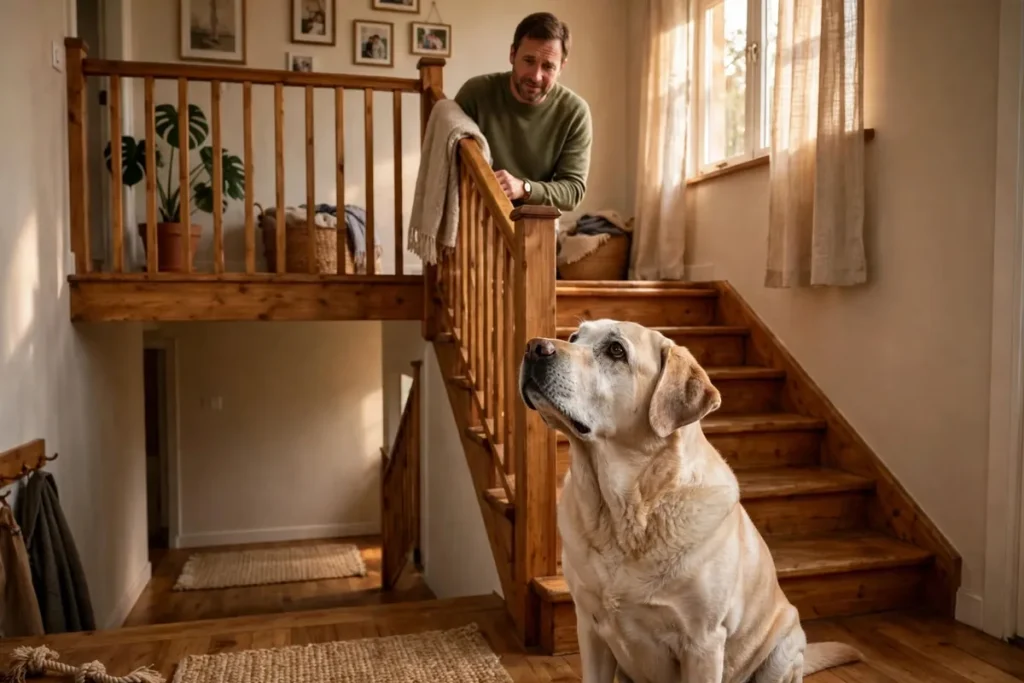
3. Trouble with stairs, jumping or getting into the car
A dog who used to leap onto the couch or into the car and now hesitates, or stops trying, is telling you something.
4. Slowing down on walks
Your dog may lag behind, stop more often or no longer want to go as far.
5. Difficulty standing up or lying down
Watch for slow, awkward movements, shifting around or groaning when getting up.
6. Licking or chewing at a joint
Dogs often lick a sore spot. Focused licking at a hip, elbow, wrist or knee can point to pain there.
7. Muscle loss
If a leg looks thinner than it used to, your dog may be using it less because it hurts.
8. Irritability or snapping
A normally gentle dog who flinches, growls or snaps when touched or lifted may be in pain. This is not bad behavior.
9. Sleeping more, or restlessness at night
Pain can make it hard to get comfortable. Some dogs sleep more during the day, and others pace or change position often at night. Our guide on why old dogs sleep so much explains what’s normal and what isn’t.
10. Accidents in the house
Some dogs find it painful to squat or to get up and go outside, so they have accidents.
11. Swollen, warm or sore joints
You may notice a joint that looks puffy or feels warm, or your dog may pull away when you touch it.
12. Weight gain
Less movement means fewer calories burned. Extra weight then puts more strain on sore joints, which makes things worse.
Arthritis or normal aging?
This is the question many owners ask, and the honest answer is that it’s not always easy to tell. Normal aging is gradual and doesn’t usually cause pain. Arthritis does.
A good rule: slowing down a little is normal, but limping, stiffness, reluctance to move or any change that seems painful is not just “old age.” If you’re unsure, take a look at our list of the signs of aging in dogs and note which changes you’re seeing. Then bring that list to your vet.
Which dogs are more likely to get arthritis?
- Older dogs. Years of wear on the joints add up.
- Large and giant breeds. More weight means more strain on the joints.
- Overweight dogs. Extra weight is one of the biggest risk factors.
- Dogs with joint conditions, such as hip or elbow dysplasia.
- Dogs with past injuries, like a torn ligament or a broken bone.
When to call the vet
Book a visit if you notice any of the signs above that last more than a few days, or that keep coming back. Don’t wait for the limp to “get better by itself.”
Call your vet the same day if your dog:
- Suddenly can’t put weight on a leg
- Cries out in pain or won’t let you touch them
- Has a hot, badly swollen joint
- Can’t stand up, or collapses
- Stops eating, or seems very lethargic along with the limping
How vets diagnose arthritis
Your vet will usually:
- Ask when you first noticed the changes and what makes them better or worse
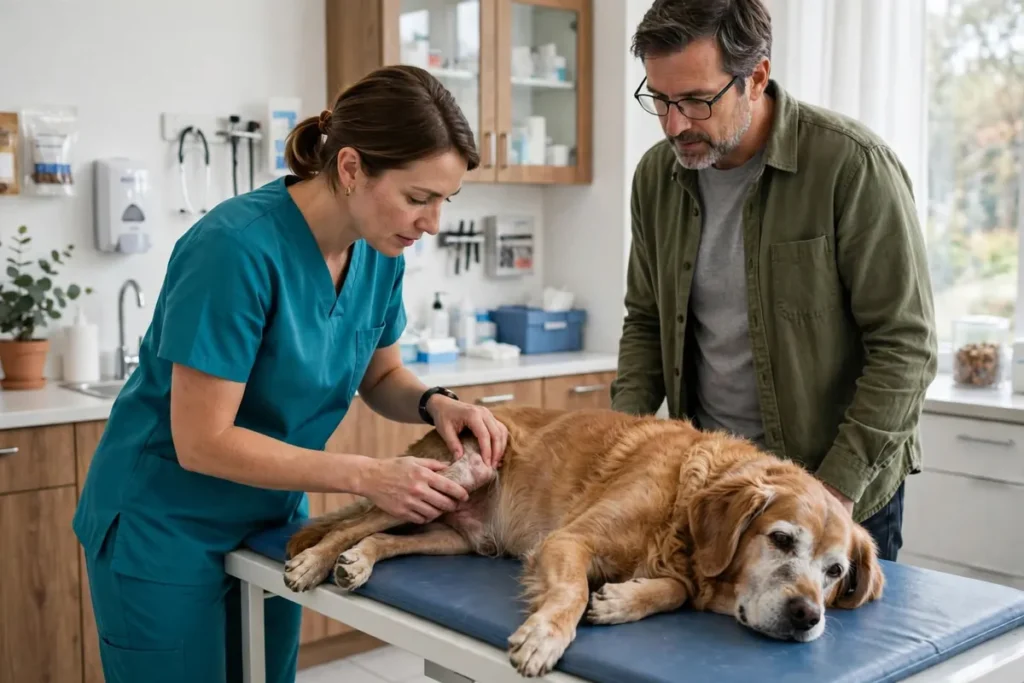
- Watch your dog walk and check how they move
- Gently feel and bend the joints to find sore spots
- Recommend X-rays to see changes in the joints
- Sometimes run blood tests, to check your dog is healthy enough for certain medicines and to rule out other causes
Can arthritis be treated?
Arthritis can’t be cured, but it can be managed well. Your vet will build a plan that may include:
- Pain relief medicine made for dogs. Only use medicine your vet prescribes.
- Weight management. Even a small amount of weight loss can make a real difference.
- Joint supplements. Some owners and vets use them, so ask whether they suit your dog.
- Gentle, regular exercise. Short, steady walks are better than occasional long ones.
- Physical therapy. This can include controlled exercises, hydrotherapy and massage.
- Comfort changes at home. See the tips below.
Never give your dog human painkillers like ibuprofen, naproxen or acetaminophen. They can be dangerous for dogs.
Simple things you can do at home today
- Give your dog a thick, supportive bed away from drafts.
- Put non-slip rugs or mats on slippery floors.
- Use ramps or steps for the car or couch.
- Keep walks short and regular.
- Keep your dog at a healthy weight.
- Keep food and water easy to reach.
- Keep your dog warm, since cold can make joints feel worse.
- Keep a short diary of good and bad days to show your vet.
FAQ
What are the first signs of arthritis in dogs?
Often the first signs are stiffness after resting, slowing down on walks and hesitating before stairs or jumps.
How do I know if my dog is in pain from arthritis?
Look for limping, licking a joint, difficulty getting up, irritability when touched, restlessness at night and reluctance to move. If you think your dog is in pain, call your vet.
At what age do dogs get arthritis?
It’s most common in seniors, but some dogs, especially large breeds or those with joint problems, can develop it much earlier.
Can arthritis in dogs be cured?
No, but it can be managed. With the right plan, many dogs stay comfortable and active for years.
What are the symptoms of arthritis in the back legs?
Stiffness, trouble standing up, a wobbly walk, weak or dragging back legs and difficulty climbing stairs. A sudden change in back-leg strength needs a vet visit right away.
Does cold weather make arthritis worse?
Many owners notice more stiffness in cold or damp weather. Keeping your dog warm and active helps.
The bottom line
Arthritis is common in dogs, and it’s not just a part of aging you have to accept. If your dog is stiff, limping or slowing down, tell your vet. With the right care, most dogs with arthritis can still enjoy their walks, their naps and time with you.
This article is for general information and isn’t a substitute for veterinary advice. If you think your dog is in pain, call your vet.



6 thoughts on “Signs of Arthritis in Dogs: 12 Symptoms to Watch For and When to Call the Vet”