
Why Do Old Dogs Sleep So Much? What’s Normal and What Isn’t
Why do old dogs sleep so much? Your dog used to greet you at the door and beg for a walk. Now they’re curled up in the same spot most of the day. If you’ve been wondering about this, you’re not alone. It’s one of the most common changes owners notice as a dog gets older.
In most cases, more sleep is a normal part of aging. But sometimes it’s a sign that something else is going on. Below you’ll find how much sleep is normal for senior dogs, why older dogs sleep more, and the signs that mean it’s time to call your vet.
Do older dogs sleep more?
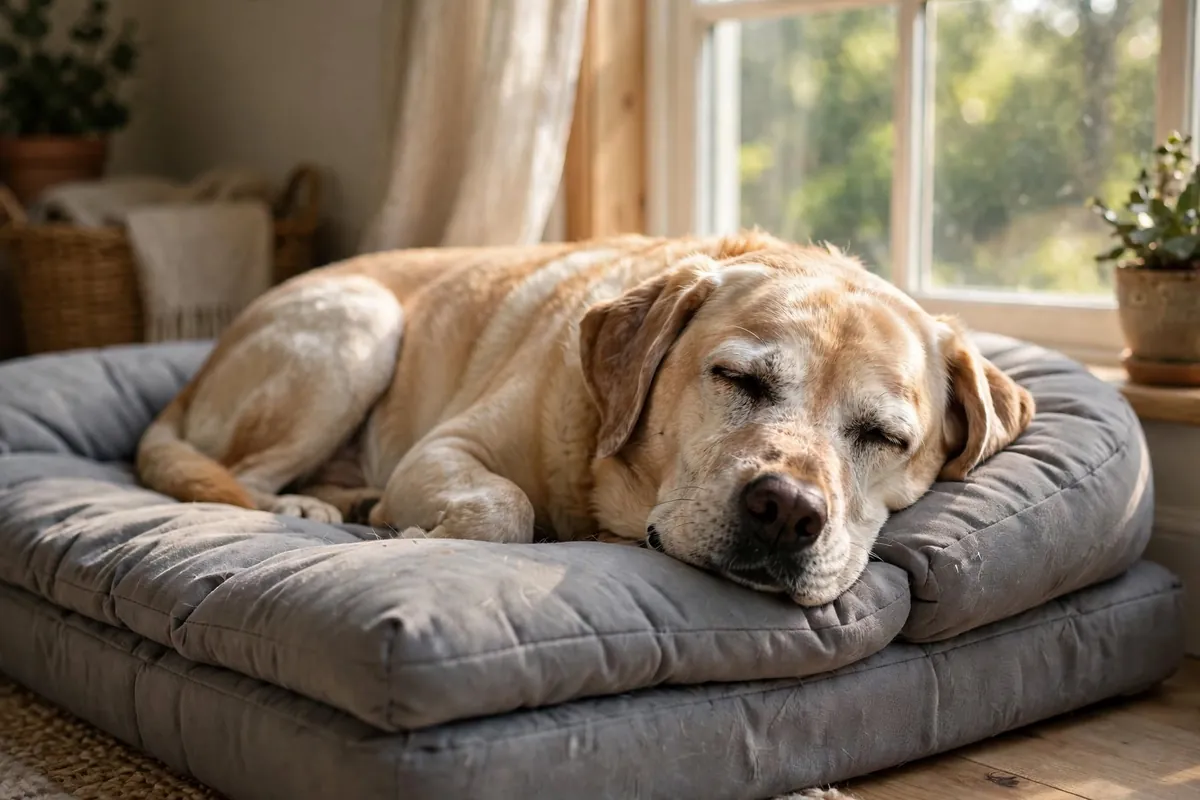
Yes. Older dogs sleep more than younger dogs, and that’s usually normal. Adult dogs typically sleep around 8 to 14 hours a day. Many senior dogs sleep roughly 14 to 18 hours, and some sleep even more. They tire faster, recover more slowly and simply need extra rest.
Every dog is different, though. The best way to judge is to compare your dog to their own normal. A dog who has always been a heavy sleeper is not the same as a dog who suddenly sleeps all day.
Why do old dogs sleep so much?
There isn’t just one reason. Here are the most common ones.
They have less energy
Older bodies tire more easily. A walk or play session that was easy at 4 can leave a 12-year-old dog needing a long nap afterward.
Pain and stiff joints
Arthritis and sore joints are very common in older dogs. A dog who hurts may lie down more simply because moving is uncomfortable.
Less to do
Older dogs often get shorter walks and less playtime, and that can mean more hours in bed out of boredom. A little gentle activity during the day can help.
Health problems
Several conditions can make a dog sleepy or low on energy, including heart disease, an underactive thyroid, kidney disease, diabetes and infections. Sleeping more along with other changes is a good reason to see the vet.
Cognitive changes
Some older dogs develop a condition similar to dementia, called canine cognitive dysfunction. It can mix up their sleep schedule, so they nap all day and then pace or seem restless at night.
Is it normal for a senior dog to sleep all day?
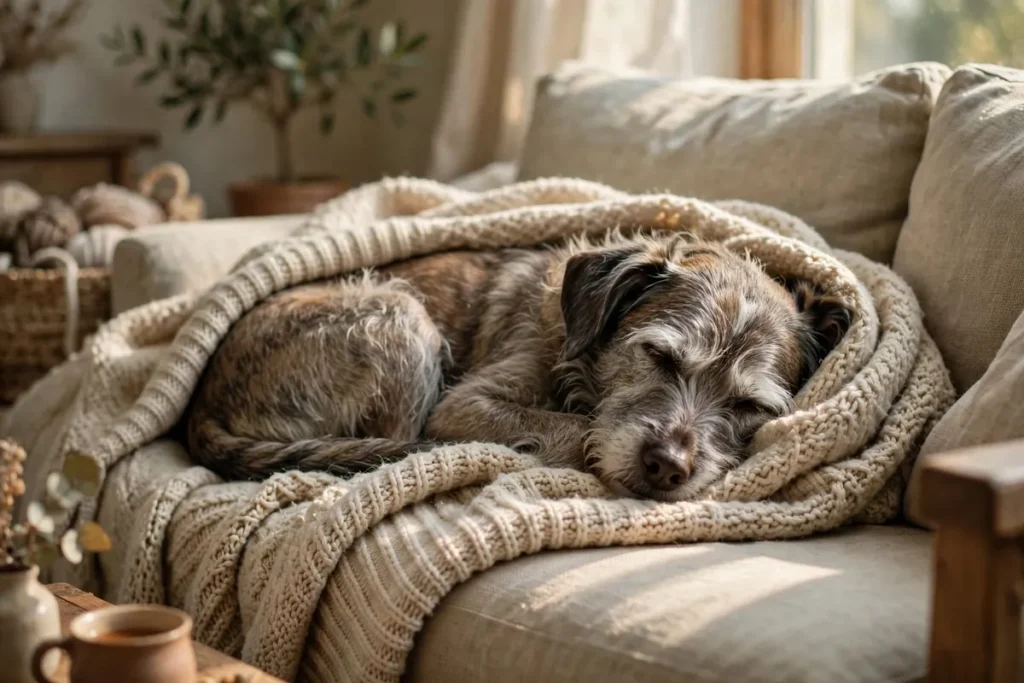
It depends on what “all day” means for your dog. A senior dog who sleeps most of the day but wakes up happily for meals, walks and affection is usually fine. Sleep that comes with other changes is different.
Here’s a simple way to tell the difference:
| Usually normal | Worth a vet visit |
|---|---|
| Sleeps 14 to 18 hours but wakes up easily | Sleeps more than 18 hours or is hard to wake |
| Slows down gradually over months | Slowed down suddenly over days |
| Still eats, drinks and greets you | Eating or drinking much less, or much more |
| Naps a lot but sleeps through the night | Pacing, restless or awake at night |
| Walks stiff after a nap, then loosens up | Limping, whining, reluctant to move |
| Acts like themselves | Confused, withdrawn, or not interested in anything |
Signs your old dog’s sleeping is a problem
Call your vet if more sleep comes with any of these:
- A sudden change over a few days
- Loss of appetite, or a big change in how much they drink
- Accidents in the house
- Coughing, panting at rest or trouble breathing
- Vomiting or diarrhea
- Crying out, limping or other signs of pain
- Confusion, getting stuck in corners or staring at walls
- Pacing or restlessness at night
- Pale gums, weakness or collapse (go to an emergency vet right away)
How to help your sleepy senior dog
Most senior dogs just need a comfortable place to rest and a little routine. These steps help:
- Give them a good bed. An orthopedic bed in a quiet spot eases pressure on sore joints.
- Keep it warm and draft-free. Older dogs feel the cold more.
- Keep up gentle daily activity. Short, slow walks and sniffing time keep muscles and mind active.
- Stick to a routine. Regular meals and walks help dogs with weaker senses feel secure.
- Add some mental play. A puzzle toy or short training game is enough.
- Keep a sleep log. Write down how long your dog sleeps and anything new, such as a change in eating or drinking. It helps your vet a lot.
- Book senior checkups. Twice a year is a good rule, and blood work can catch problems early. Not sure if your dog counts as a senior yet? See when a dog is considered a senior.
FAQ
How many hours a day should a senior dog sleep?
Many senior dogs sleep around 14 to 18 hours a day. Some sleep more. What matters most is a sudden change from their own normal.
Is it normal for an old dog to sleep all day?
It can be, if your dog wakes up easily and still eats, drinks and enjoys time with you. If they’re hard to wake, uninterested in food or acting differently, call your vet.
Do older dogs sleep more at night or during the day?
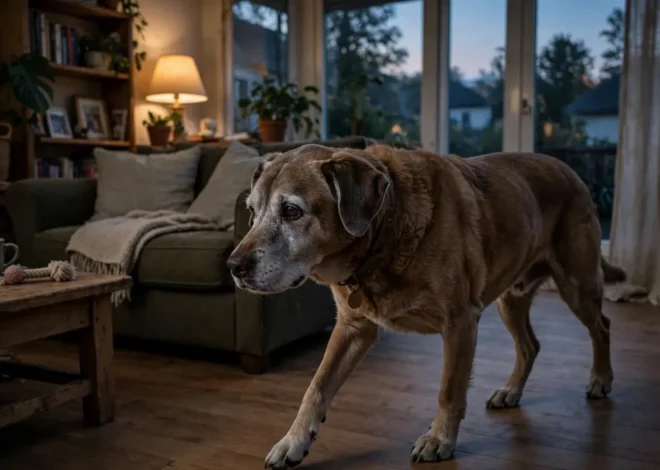
Healthy senior dogs usually sleep a lot during the day and through most of the night. If your dog is up pacing at night and sleeping all day, it can be a sign of cognitive changes, so mention it to your vet.
Why is my senior dog sleeping all day and not eating?
Sleeping a lot together with a loss of appetite is a sign something may be wrong. Call your vet the same day, or go to an emergency clinic if your dog is very weak or won’t eat or drink at all.
Can pain make a dog sleep more?
Yes. Dogs in pain often move less and rest more, even if they don’t cry out. Stiffness, slow getting up and reluctance to jump are clues.
Should I wake my senior dog if they sleep too long?
Usually no. Let them rest. But if you can’t wake them easily, or they seem very groggy or confused when they wake up, call your vet.
Final thoughts
Old dogs sleep so much because their bodies need more rest, and in most cases that’s a normal part of growing older. But you know your dog best. If the sleep changes suddenly or comes with other signs like less appetite, pain or restlessness at night, it’s time to call the vet. Give them a soft bed, a calm routine and regular checkups, and let them enjoy their naps.
Read next: Signs of Aging in Dogs: 15 Things to Watch For
This article is general information, not veterinary advice. Always ask your own veterinarian about your dog’s health.

One thought on “Why Do Old Dogs Sleep So Much? What’s Normal and What Isn’t”