Senior Dog Behavior Changes: What Is Normal and What Needs a Vet
One day your dog just seems a little different. Maybe they are grumpier, or clingier, or less interested in walks. Senior dog behavior changes can be hard to read, because some are a normal part of getting older and others are your dog’s way of saying something is wrong.
This guide helps you sort one from the other. We will look at the most common changes, what may be behind them, and when it is time to ring your vet.
Why Do Dogs Change as They Get Older?
Aging touches everything: joints, eyes, ears, organs, and the brain. A dog who used to bound up the stairs may now take them slowly. A dog who used to hear the doorbell from the garden may now sleep right through it. These shifts can change how your dog acts, often in small ways first.
The key idea is this: slow, gentle slowing down is usually normal, but sudden changes, big changes, or several changes together deserve attention. If you are not sure what counts as “senior” yet, see when a dog is considered a senior.
Common Senior Dog Behavior Changes
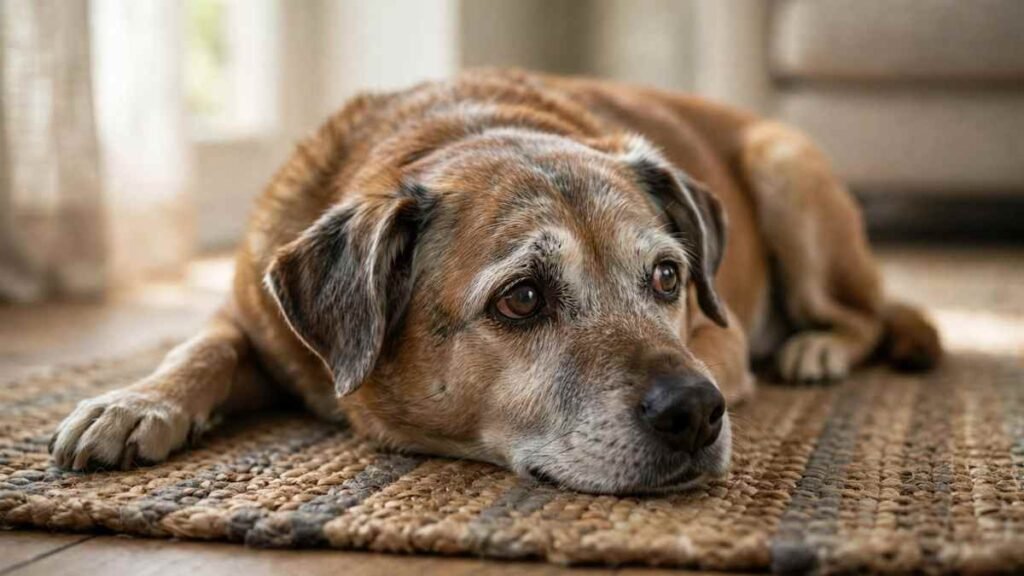
Sleeping More
Most older dogs nap more, and that is usually fine. But if your dog is hard to wake, loses interest in everything, or sleeps all day and paces all night, mention it to your vet. We cover this in why old dogs sleep so much.
Less Energy and Less Play
Shorter walks and less play can be normal. But when a dog suddenly refuses to walk, lags far behind, or stops playing altogether, pain or illness may be the reason.
Grumpiness or Snapping
A dog who never growled before may start to snap when touched or woken. This is very often about pain or being startled by poor eyesight or hearing, not a “bad attitude.” Treat any new aggression as a reason to see the vet, and be careful around children.
Becoming Clingy or Withdrawn
Some dogs follow you everywhere. Others hide away or stop greeting you. Both can come from discomfort, anxiety, fading senses, or confusion.
Anxiety and Fear
Anxiety in older dogs can show up as panting, shaking, whining, destructive chewing, or being unable to settle when left alone. New fears of noises or of being alone are common. See also excessive panting in older dogs and old dog pacing.
Accidents in the House
A house-trained dog who starts having accidents is not being naughty. It may be a urinary problem, weak muscles, kidney or hormone trouble, mobility pain, or confusion. Never scold. Mention it to your vet.
Changes in Eating and Drinking
Eating less, eating more, or drinking much more than usual all deserve a call to your vet. Our guide on an old dog drinking a lot of water goes into one common cause.
Barking, Whining, or Howling More
More noise, especially at night, can come from pain, hearing loss, anxiety, or confusion.
Staring, Getting Stuck, or Seeming Lost
Staring at walls or standing in corners can be a sign of cognitive decline. Read about the signs of dementia in dogs for more.
What Might Be Behind the Change?
Behavior is often the first clue that something has changed in the body. The usual suspects are:
- Pain. Especially joint pain. See signs of arthritis in dogs.
- Vision loss. Cloudy eyes can be part of aging or a sign of a problem. See cloudy eyes in dogs.
- Hearing loss. A dog who cannot hear you coming may startle easily.
- Illness. Kidney, heart, hormone, and urinary problems often show up as behavior first.
- Cognitive changes. Confusion, restlessness, and a mixed-up sleep schedule.
- Medicine. Some medicines can change mood or energy.
You cannot tell which one it is just by watching, and that is exactly why a vet visit matters. Our overview of signs of aging in dogs shows many of these side by side.
Signs Your Senior Dog Is Doing Well
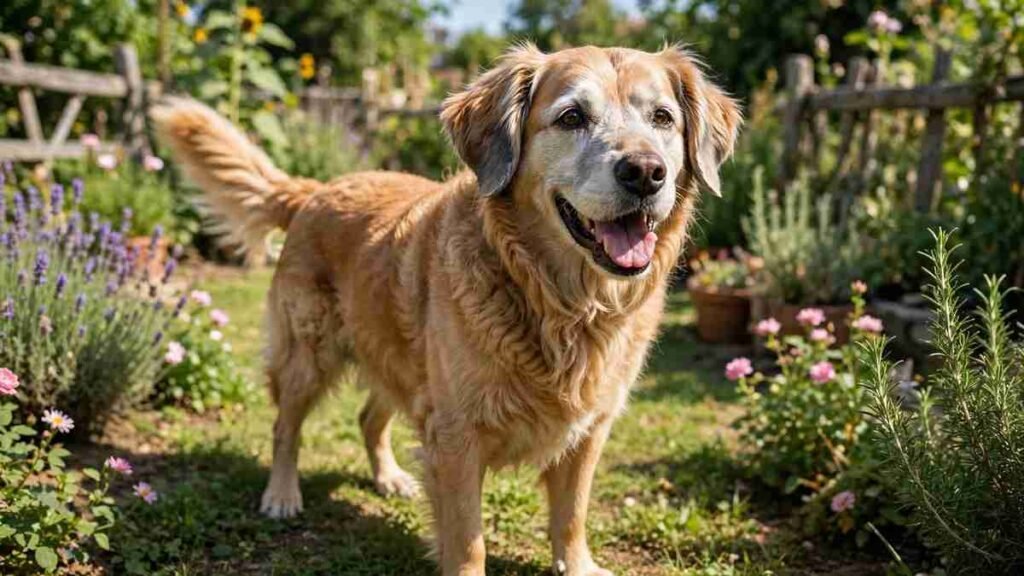
It is not all worry. Plenty of changes are signs of a healthy, content older dog. Good signs include:
- A steady appetite and a healthy weight
- Interest in walks, sniffing, and family
- Comfortable sleep and getting up without too much trouble
- Normal bathroom habits
- A shiny coat and bright eyes
- Relaxed body language and a wagging tail
If you see most of these, your dog is likely coping well with their age.
How to Help Your Senior Dog
- Keep a routine. Regular meals, walks and bedtime make older dogs feel safe.
- Make the home easier. Add non-slip rugs, ramps for steps, and a soft bed in a quiet corner.
- Adjust exercise. Shorter, gentler walks, more often.
- Keep the mind busy. Sniff walks, easy puzzle toys, and short, kind training games.
- Be patient. Never punish accidents, grumpiness, or confusion.
- Keep up with vet visits. Many vets suggest checkups about twice a year for seniors. Ask what is right for your dog.
When to Call the Vet
Make an appointment if a change is sudden, gets worse, or lasts more than a few days, or if you see several changes at once. Go to an emergency vet if your dog collapses, struggles to breathe, has a swollen belly, has a seizure, cannot stand, or will not eat or drink at all.
A simple trick: keep a short note on your phone. Jot down the date and what you noticed. When you see the vet, you can describe exactly what changed and when, which makes it much easier for them to help.
Frequently Asked Questions
Why is my old dog suddenly grumpy?
Pain is a very common reason. Poor sight or hearing can also make a dog snappy when startled. Get it checked rather than assuming it is just attitude.
Is it normal for older dogs to have mood changes?
Mild changes can be. Big or sudden mood changes usually have a cause worth finding, so tell your vet.
Can behavior changes in a senior dog be treated?
Often, yes. Once the cause is found, whether pain, illness, or anxiety, there are usually ways to help, and a few home changes can make a real difference.
Final Thoughts
Senior dog behavior changes can feel worrying, but they are also useful. They tell you when your dog needs more comfort, more patience, or a visit to the vet. Pay attention, keep your dog’s days calm and predictable, and trust your instincts. You know your dog best.
This article is for general information only and is not a substitute for veterinary advice. Always talk to your vet about your dog’s health and care.