
Dog Heart Disease Symptoms: Early Signs and Care for Seniors
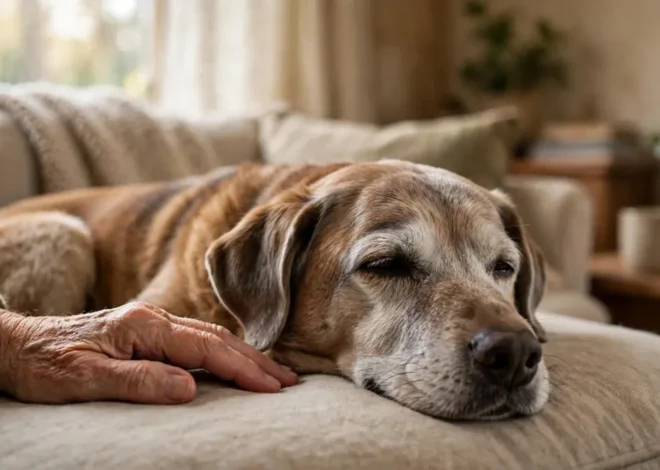
Your older dog coughs a little when she gets up, tires sooner on walks and seems to breathe faster while resting. It is easy to think she is just getting old. But these can also be dog heart disease symptoms, and heart problems are common in senior dogs. The earlier your vet knows, the more can be done to keep your dog comfortable.
This guide explains what heart disease means for dogs, the signs to watch for, how vets find the cause and how to support your dog at home.
What Is Heart Disease in Dogs?
The heart pumps blood around the body. In heart disease, a valve may leak, or the heart muscle may weaken, so the heart cannot pump as well as it should. In time, fluid can build up in the lungs or belly. This stage is called heart failure.
Two common types are valve disease, often seen in small and older dogs, and weak heart muscle, which is seen more in some larger breeds. Some dogs have a heart murmur for years before any signs appear, which is why vets listen to the heart at each check-up.
Common Dog Heart Disease Symptoms
Early heart disease can be silent. When signs show up, they often build slowly:
- A soft, repeated cough, often after exercise, after lying down or at night
- Fast or heavy breathing while resting or sleeping
- Getting tired quickly on walks, or lagging behind
- Restlessness at night, or trouble settling to sleep
- Less appetite and weight loss
- A swollen belly from fluid build-up
- Fainting or collapsing episodes
- Pale or bluish gums
Many of these look like normal aging, so our guide on the signs of aging in dogs helps you tell what is common from what needs a closer look. If your dog sleeps much more than before, see why old dogs sleep so much.
Coughing and Breathing Changes
Coughing and fast breathing are the signs vets take most seriously. They can also come from lung disease, infections, collapsing airways and other problems, so a vet exam matters. If your dog pants a lot, read about excessive panting in older dogs, because panting and labored breathing are not the same thing.
One simple home check is the sleeping breathing rate. When your dog is asleep and relaxed, count how many breaths she takes in one minute, counting each rise of the chest as one. Many vets use a number of about 30 or less as a general guide, though your vet may advise a different number for your dog. If the count is higher, keeps climbing over several days or you are unsure, tell your vet.
When to See a Vet Right Away
Book a visit if you notice a new cough, faster breathing or lower stamina. Go to an emergency vet at once if your dog has:
- Struggling to breathe, or breathing with the belly heaving
- Blue, gray or very pale gums
- Collapse or fainting
- Standing with the neck stretched out and refusing to lie down because breathing is hard
What Causes Heart Disease in Dogs?
Most heart disease in older dogs is linked to age-related changes in the valves or heart muscle. Genetics play a role, and some breeds are more prone to it. Other causes can include heartworm infection, which your vet can help prevent, and some hormone and blood conditions. Obesity and long-term dental infection can add strain to the body, so a healthy weight and good dental care are worth keeping up.
How Vets Diagnose Heart Disease
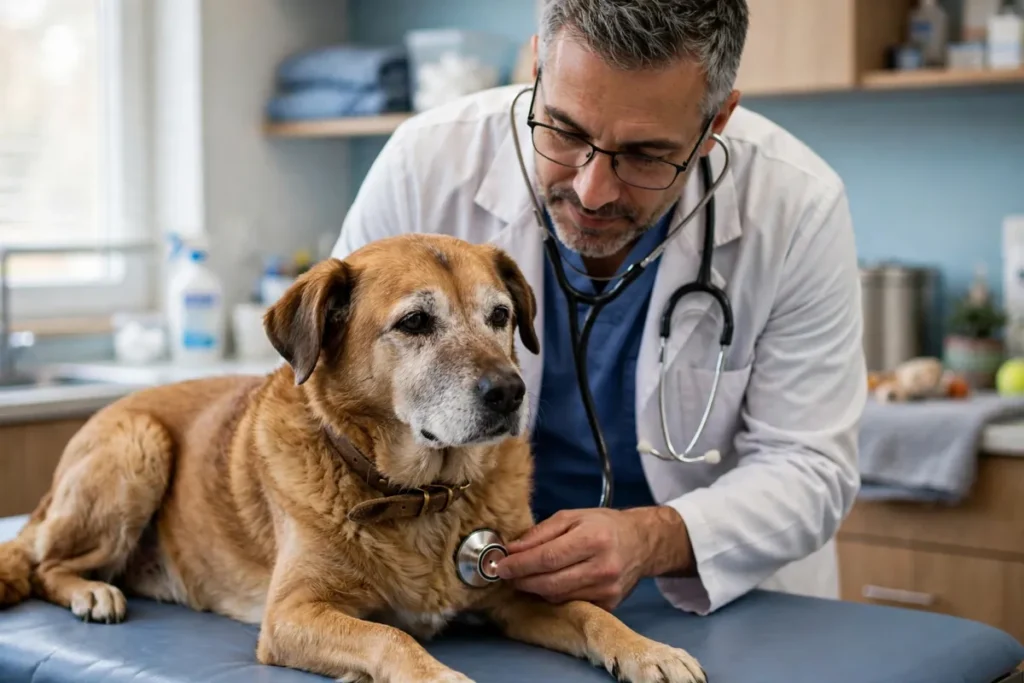
Your vet will listen to the heart and lungs, check your dog’s gums and pulse, and ask about cough, stamina and breathing. Chest X-rays show the size of the heart and whether fluid is in the lungs. Blood tests and blood pressure checks give a wider picture of your dog’s health.
An ultrasound of the heart, called an echocardiogram, shows the valves and heart muscle in action. It is often done by a veterinary heart specialist and gives the clearest answer about the type and stage of disease. An ECG may be used if the heartbeat sounds irregular.
Treatment Is Decided by Your Vet
Heart disease cannot usually be cured, but many dogs do well on treatment. Your vet may prescribe veterinary medicines that support the heart, help remove fluid and lower the workload on the heart. Doses are adjusted over time with regular check-ups. Some dogs need a change in diet, and your vet will tell you whether to limit salt.
Give every dose on time and never stop a medicine because your dog seems better. Do not give human medicines, herbal products or supplements unless your vet approves, since some are dangerous for dogs with heart problems.
How to Support Your Dog at Home
- Count the sleeping breathing rate each day or week and write it down for your vet.
- Choose short, calm walks and let your dog rest whenever she wants.
- Avoid heat and hard exercise, since both make the heart work harder.
- Keep your dog at a healthy weight with measured meals.
- Give a comfortable bed in a cool, quiet spot with easy access to water.
- Keep every re-check appointment so medicines can be adjusted.
Cold weather can also be hard on older dogs, so our guide to senior dog winter care has tips to keep your dog comfortable.
What Is the Outlook?
The outlook depends on the type of heart disease, how early it is found and how your dog responds to treatment. Some dogs live comfortably for years with proper care. For more on how age and health affect lifespan, read how long do dogs live. Your vet is the best source of advice for your own dog.
Frequently Asked Questions
Is a heart murmur the same as heart disease?
Not always. A murmur is a sound your vet hears. It may point to a heart problem, so your vet may suggest tests to find out.
Can dogs with heart disease still exercise?
Gentle, short walks are often fine, but ask your vet how much activity suits your dog.
Does heart disease cause behavior changes?
Restlessness at night, pacing and lower energy can happen. See old dog pacing and senior dog behavior changes for other causes.
Can heart disease be prevented?
Not always, but regular check-ups, heartworm prevention advised by your vet, a healthy weight and dental care all help.
Final Thoughts
Dog heart disease symptoms often begin as a mild cough or a little less energy. Do not wait to see whether they pass. Count your dog’s sleeping breaths, report changes to your vet and follow the treatment plan closely. With early care and a calm home, many senior dogs stay comfortable for a long time.
Disclaimer: This article is for general information only and is not a substitute for professional veterinary advice, diagnosis or treatment. Always consult a qualified veterinarian about your dog’s health, and never give your dog human medicines.