
Signs of Aging in Dogs: 15 Things to Watch For
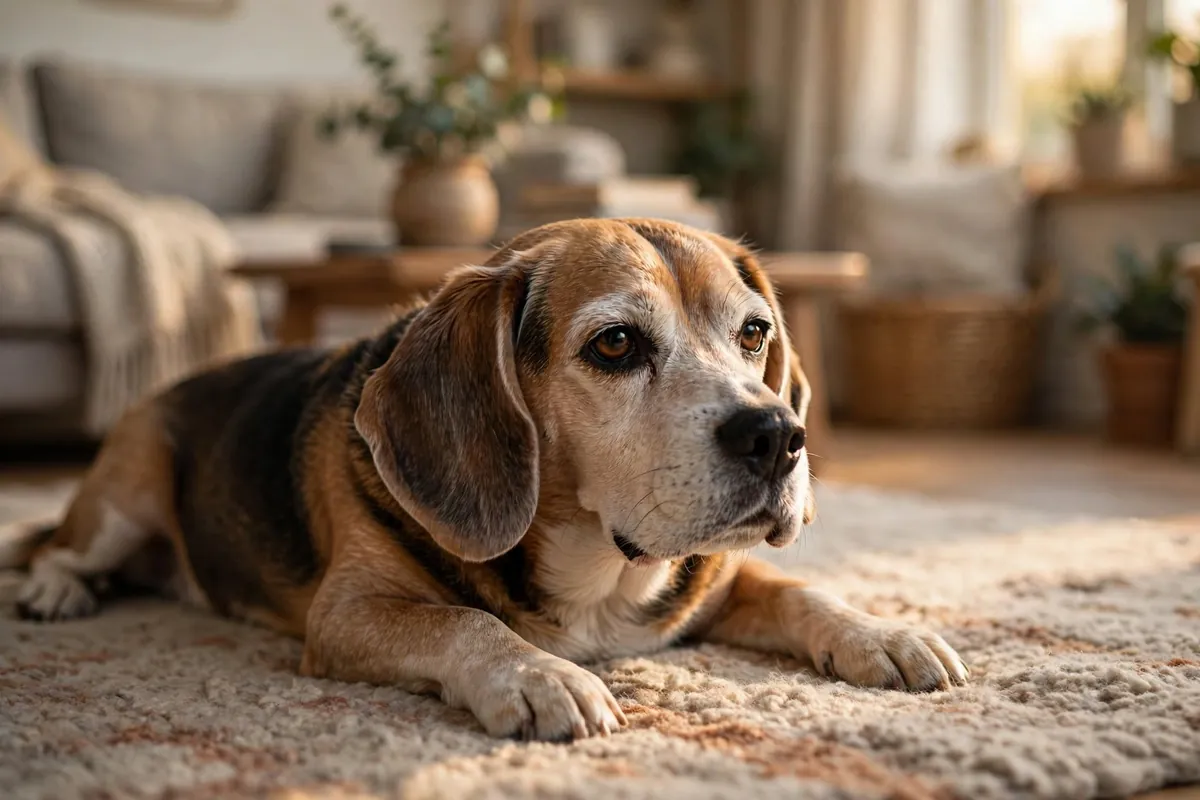
Some mornings you look at your dog and something feels different. The muzzle is a little whiter. The walk is a little slower. The signs of aging in dogs rarely arrive all at once. They creep in, one small change at a time, and most owners only see the pattern when they look back.
Some of these changes are just part of getting older. Others are your dog’s way of saying something is wrong. Below are 15 signs your dog is getting old, which ones are normal, and which ones deserve a call to the vet.
Not sure your dog has reached this stage yet? Start with our guide on when a dog is considered a senior.
15 signs of aging in dogs
1. A gray muzzle
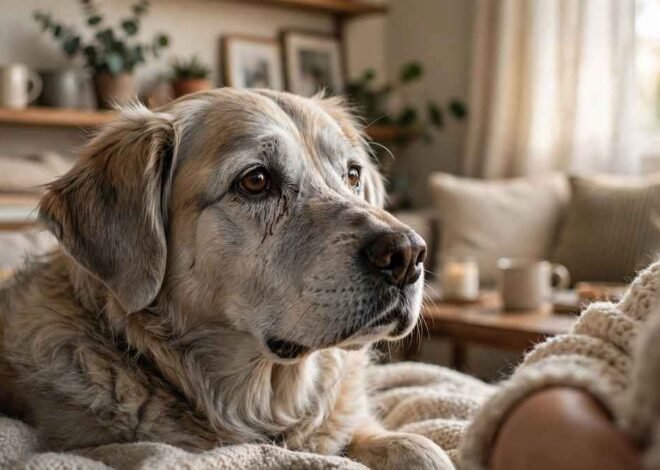
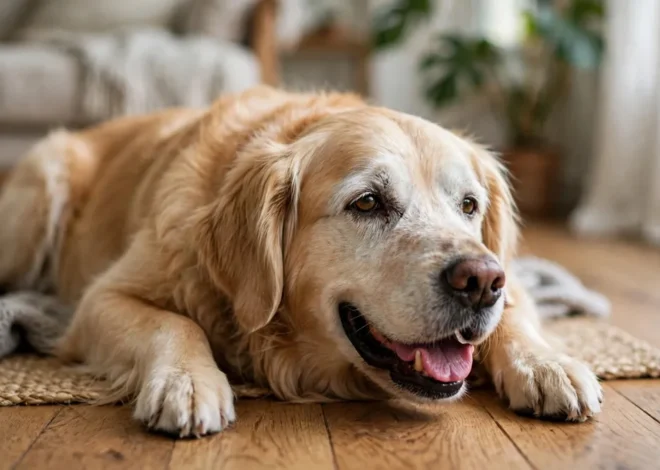
This is the sign everyone spots first. Gray or white hair around the mouth and eyes is normal and doesn’t hurt your dog. Some dogs go gray at 5, others not until 10. Genetics and coat color play a big part.
2. Slower, stiffer movement
Watch how your dog gets up from a nap. Taking longer to stand, hesitating at the stairs or skipping the jump onto the couch can all point to sore joints. Arthritis is very common in older dogs, especially bigger ones.
3. Sleeping more
Older dogs nap longer and play less, and that’s normal. A sudden change is not. If your dog was fine last week and now barely gets up, call your vet.
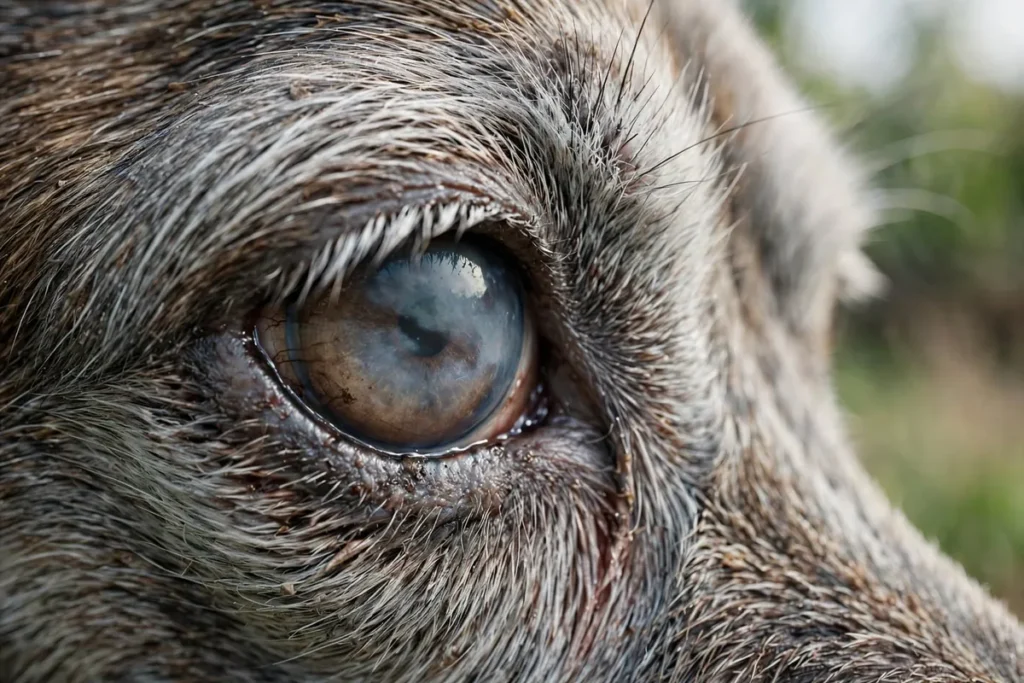
4. Cloudy or bluish eyes
Many older dogs develop a blue-gray haze on the lens of the eye. It’s often a harmless age change and usually doesn’t affect sight much. Cataracts can look similar, though, and they do cause vision loss. Only a vet can tell the two apart, so get it checked.
5. Hearing loss
Does your dog sleep through the doorbell or jump when you touch them from behind? Hearing often fades slowly with age. Try clapping or calling from another room and see if they respond.
6. Changes in vision
Dogs with poor eyesight may bump into furniture, stop in dim light or startle easily. Many cope well at home because they know the layout by heart, which is why moving furniture around can confuse them.
7. Weight and muscle changes
Many older dogs lose muscle, especially along the back legs and spine. Some also gain fat because they move less, and extra weight is hard on sore joints. Big or sudden changes in either direction deserve a vet visit.
8. Changes in appetite
Some older dogs get pickier. Dental pain, a weaker sense of smell or an upset stomach can all be the reason. If your dog stops eating or eats much less for more than a day or two, don’t wait.
9. Drinking more (or less) water
If the water bowl keeps running empty, tell your vet. Increased thirst can be linked to conditions like kidney disease or diabetes, which are more common in older dogs. It’s an easy sign to miss, so keep an eye on how often you refill the bowl.
10. Bad breath and dental trouble
Bad breath, red gums, loose teeth or dropping food while chewing are all common in older dogs. Dental disease can be painful, and it can affect the rest of the body too.
11. New lumps and bumps
Fatty lumps are common with age, and most are harmless. But you can’t tell by touch alone, so any new lump, or one that is growing or changing, should be checked by a vet.
12. Accidents in the house
A dog who has always been house-trained and suddenly has accidents isn’t being bad. The cause could be weak bladder control, a urinary problem, joint pain that makes it hard to get outside, or confusion. Don’t punish them. Talk to your vet.
13. Confusion and getting lost
Some older dogs develop a condition similar to dementia, called canine cognitive dysfunction. Signs include staring at walls, getting stuck in corners, forgetting where the door is, or not recognizing familiar people.
14. Restless nights
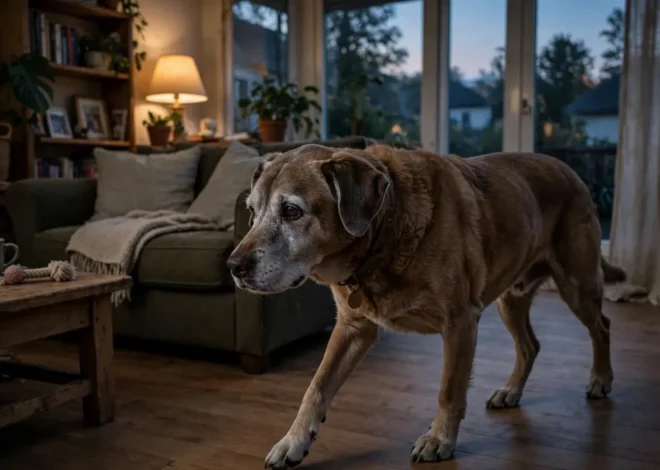
Pacing, panting or wandering at night and then sleeping all day can be a sign of confusion or discomfort. If your dog’s sleep pattern has flipped, mention it to your vet.
15. Anxiety, clinginess or pulling away
An older dog may follow you from room to room, or do the opposite and hide. Both can be linked to pain, poor sight or hearing, or cognitive changes. A new personality shift is worth noting.
What’s normal and when to call your vet
Some signs of old age in dogs are just part of getting older. Others need attention. Here’s a simple way to tell the difference:
| Sign | Usually normal | Call your vet if… |
|---|---|---|
| Gray hair | Gradual graying around the muzzle | Hair loss or skin changes with itching |
| Sleeping | Longer naps, less play | Sudden, big change or hard to wake |
| Movement | A little slower, takes time to stand | Limping, crying out, refuses stairs |
| Eyes | Mild bluish haze, same behavior | Bumping into things, redness, squinting |
| Appetite | Slightly pickier | Stops eating for a day or two |
| Thirst | Same as usual | Drinking much more than normal |
| Weight | Slow, small changes | Fast loss or gain |
| Behavior | Calmer, a bit clingier | Confusion, pacing, getting lost, accidents |
When in doubt, call. A vet would rather hear about a small change early than a big problem late.
How to help your aging dog
You can’t stop aging, but you can make it a lot more comfortable.
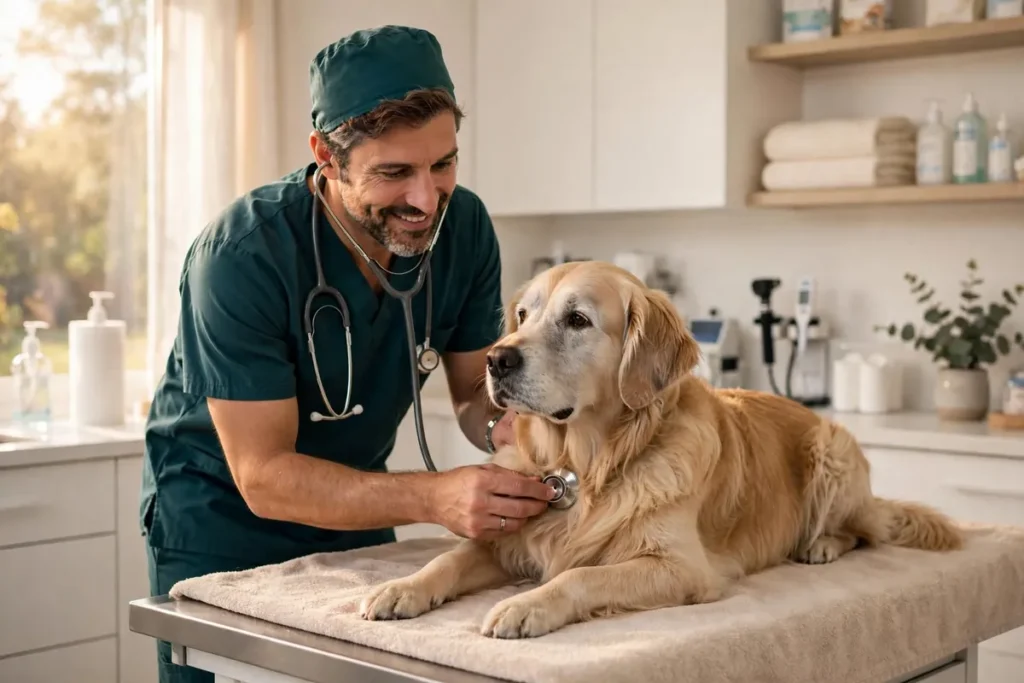
- Book vet visits every six months. Ask about a full senior checkup, with blood and urine tests, so problems are caught early.
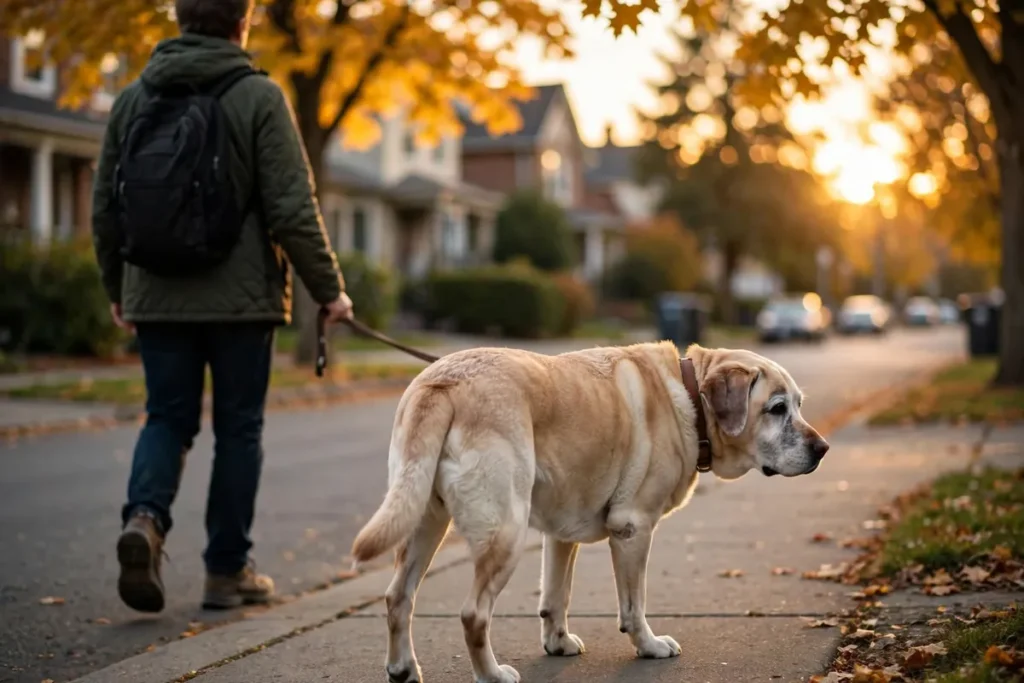
- Keep walks short and regular. Gentle daily exercise helps joints, weight and mood.
- Watch their weight. Staying lean takes pressure off the joints.
- Make your home easier. Add rugs on slippery floors, a ramp for the car or couch, and a soft orthopedic bed.
- Take care of their teeth. Brush them and ask your vet about dental checkups.
- Keep their mind busy. Puzzle toys, sniff walks and short training games help.
- Keep a simple log. Note the date when you see something new. It helps your vet a lot.
FAQ
What are the signs of old age in dogs?
The most common signs are a gray muzzle, slower movement, more sleep, cloudy eyes, hearing loss, weight changes and trouble with teeth. Some dogs also become confused or more anxious. Many of these are normal, but a sudden change is worth a vet visit.
At what age do dogs start showing signs of aging?
It depends on size. Giant breeds can show signs around 6 to 7, large dogs around 7 to 9, and small dogs often not until 10 or later.
Is it normal for an old dog to sleep all day?
Older dogs do sleep more. But if your dog is hard to wake, has lost interest in food or walks, or the change came on suddenly, call your vet.
Why is my old dog drinking so much water?
Drinking more than usual can be linked to health problems like kidney disease or diabetes. Don’t assume it’s just age. Have your vet check.
How do I know if my dog is in pain?
Dogs hide pain well. Look for limping, reluctance to jump or climb, panting at rest, licking one spot, grumpiness when touched, or a change in how they sit or lie down.
Can I slow down aging in my dog?
Not completely, but regular checkups, a healthy weight, gentle exercise and good dental care can help your dog stay comfortable for longer.
Final thoughts
Watching your dog get older isn’t easy. But most of these signs are manageable, and many are just the natural slowing down of a long, happy life. Notice the small changes, write them down, and keep up with vet visits. That’s the best way to give your dog good, comfortable senior years.
Read next: When Is a Dog Considered a Senior?
This article is general information, not veterinary advice. Always ask your own veterinarian about your dog’s health.

4 thoughts on “Signs of Aging in Dogs: 15 Things to Watch For”