Senior Dog Losing Weight but Eating: Causes and What to Do
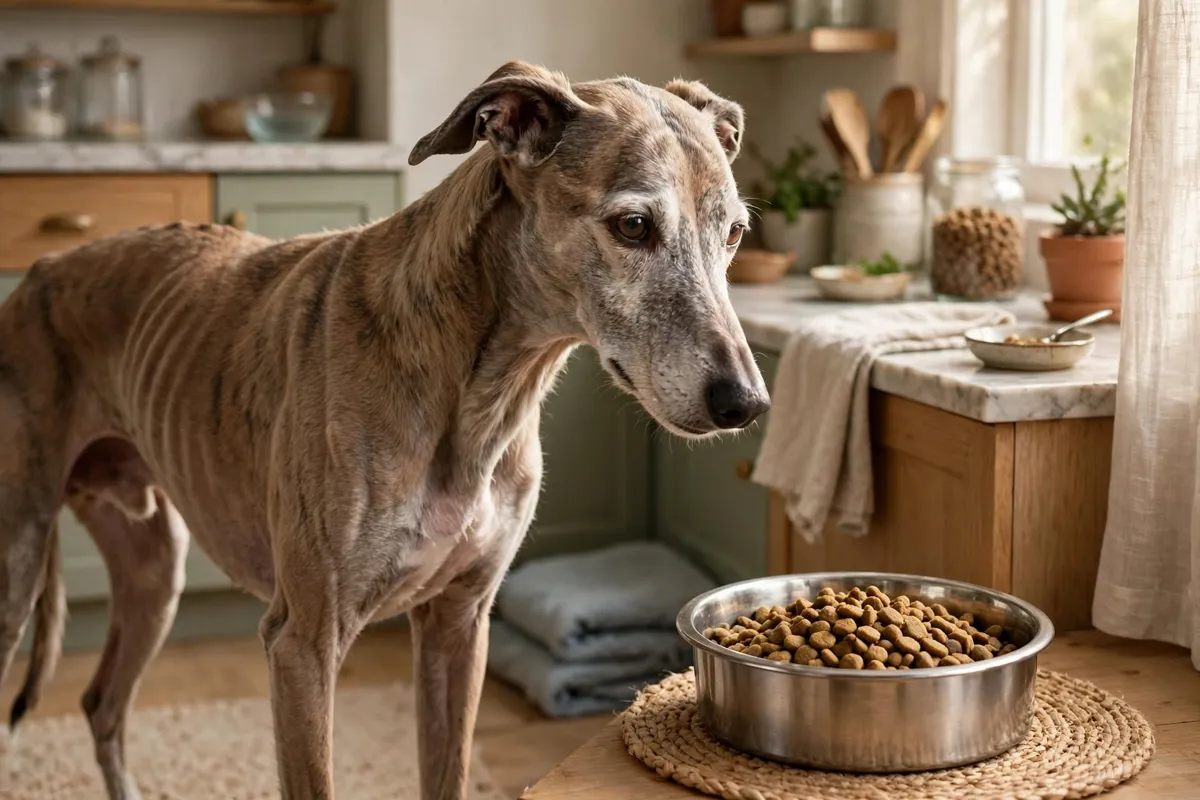
Your dog’s bowl is empty at every meal, so why are the ribs starting to show? A dog losing weight but eating well is confusing and a bit scary. With older dogs especially, weight loss is one of those signs that is easy to miss at first and important to act on.
This guide explains why it happens, how to check your dog’s weight at home, what you can do while you wait for the vet, and when it becomes urgent.
Is Some Weight Loss Normal in Senior Dogs?
A little, yes. As dogs age, they often lose some muscle, especially along the back and hips. That can make a dog look thinner even when the weight on the scale has not changed much. This slow change is part of getting older.
What is not normal is noticeable weight loss over weeks or months, especially when your dog is eating the same amount or more. Even a loss of around 10 percent of body weight is worth mentioning to your vet. For a small dog, that can be just a pound or two.
How to Check Your Dog’s Weight at Home
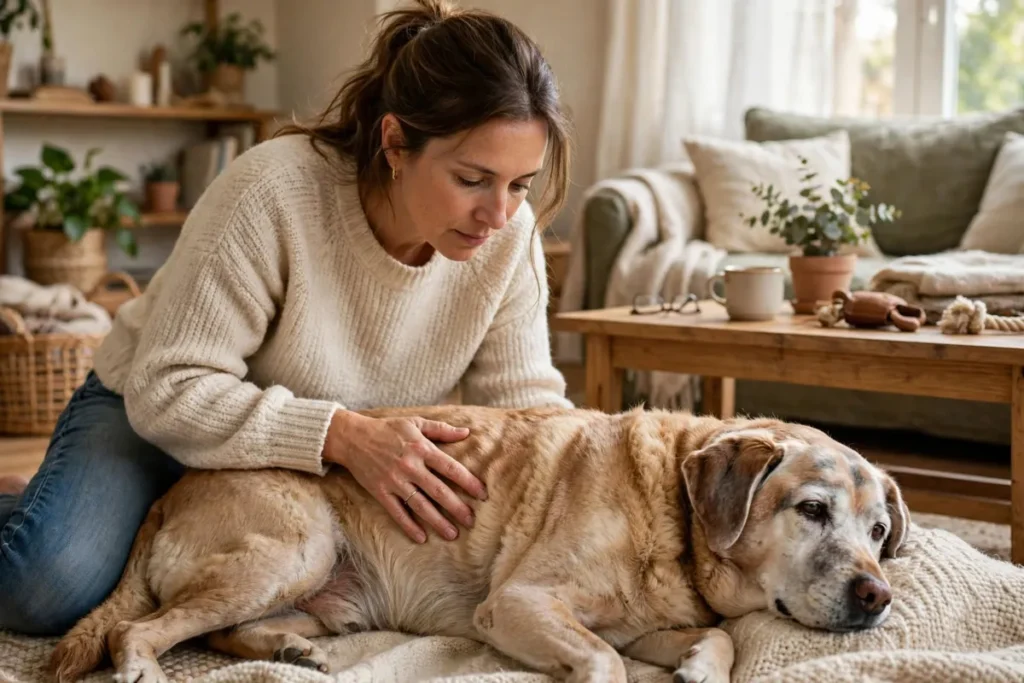
You do not need fancy tools. Try these simple checks:
- Use a scale. Weigh your dog about once a month and write it down. For big dogs, many vet clinics let you walk in and use their scale for free or a small fee.
- Feel the ribs. You should be able to feel them under a thin layer of padding. If they feel sharp and easy to count, your dog may be too thin.
- Look from above. A healthy dog usually has a visible waist behind the ribs.
- Check the spine and hips. If the bones stand out, muscle or fat may be getting lost.
- Take photos. A photo every few weeks from the same angle makes slow changes easy to see.
Why Is My Dog Losing Weight but Still Eating?
When a dog eats well but still loses weight, it usually means the body is either not absorbing food properly, burning more energy than usual, or losing nutrients somewhere. Here are the common causes.
Dental Problems
Sore teeth or gums can make chewing painful. Some dogs still eat but drop food, chew on one side, or swallow quickly without really getting enough. A quick look at your dog’s teeth and breath can be revealing.
Diabetes
Dogs with diabetes can eat a lot and still lose weight, because their bodies cannot use sugar properly. You may also notice more drinking and more peeing. See our article on an old dog drinking a lot of water.
Kidney, Liver, or Heart Disease
Organ disease can slowly drain a dog’s body. Weight loss is often one of the early signs, sometimes along with tiredness, drinking more, or a dull coat.
Digestive Problems
Chronic gut conditions can stop a dog from absorbing nutrients, so food passes through without feeding the body. Loose stools, gas, or vomiting may come with it, but not always.
Worms and Parasites
Intestinal parasites take nutrition from your dog. They are easy to check with a stool test, and treatment is usually simple, so it is worth ruling out early.
Cancer and Other Serious Illness
Some cancers cause weight loss even when appetite is normal. This is one of the reasons not to wait. Finding out early gives you and your vet more options.
Muscle Loss From Pain or Less Activity
Dogs who move less because of sore joints lose muscle faster. If your dog has become stiff or reluctant to walk, see the signs of arthritis in dogs.
Food Quality or Amount
Sometimes the simple answer is that the food no longer meets your dog’s needs. It may be too low in calories or protein, or your dog may be getting less than you think, for example if another pet is stealing from the bowl.
Other Signs to Watch For
Weight loss rarely travels alone. Tell your vet if you also see any of these:
- Drinking or peeing more than usual
- Vomiting or loose stools
- Bad breath or trouble chewing
- Low energy or hiding away
- A dull or thinning coat
- Coughing or a bigger belly
- Lumps or swellings
Changes like these are covered in more detail in our guide to senior dog behavior changes.
What the Vet Will Likely Do
Expect a full check-up: weighing your dog, feeling the belly, looking at the teeth and listening to the heart and lungs. Your vet may also suggest blood and urine tests, a stool check, and sometimes scans, depending on what they find. It can feel like a lot, but each step helps narrow down the cause so that treatment can be aimed correctly.
What You Can Do at Home
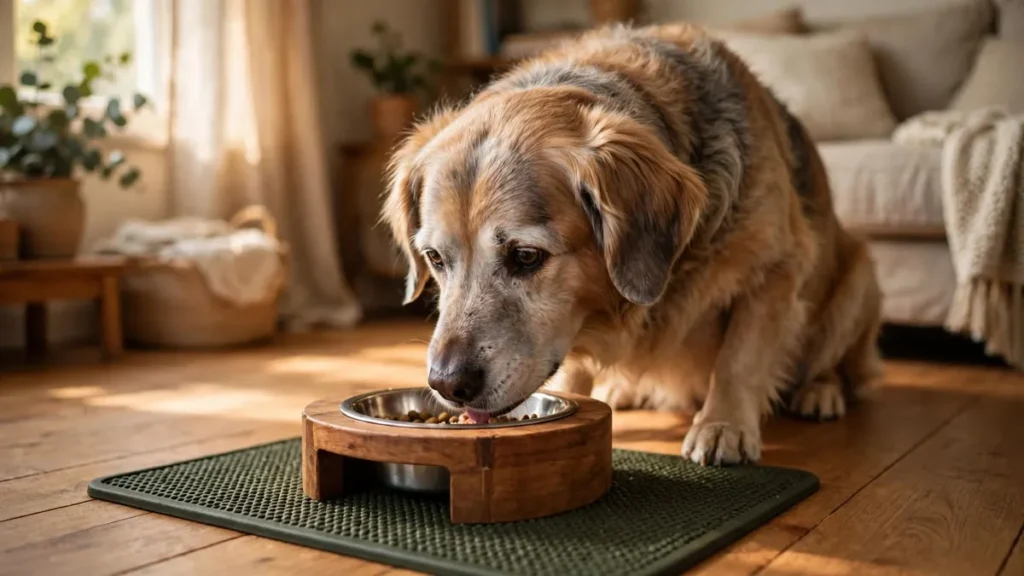
While you arrange the appointment, a few gentle steps can help. These support your dog but do not replace a diagnosis.
- Keep weighing. Write the number down so your vet can see the trend.
- Offer smaller, more frequent meals. Some older dogs do better with three or four small meals than two big ones.
- Warm the food slightly. A little warmth makes food smell stronger and more appealing.
- Do not switch foods suddenly. Changing food quickly can upset the stomach. Ask your vet which food suits your dog, and change slowly.
- Make mealtime easy. A raised bowl or a non-slip mat can help dogs with stiff necks or joints.
- Watch for food stealing. If you have more than one pet, feed them separately.
- Do not add supplements or human medicine without asking your vet first.
When It Is Urgent
See a vet the same day if weight loss comes with repeated vomiting, bloody stool, refusing food or water, severe weakness, trouble breathing, pale gums, or a swollen belly. Even without these signs, weight loss that you can see is a good reason to book an appointment soon rather than waiting to see if it passes.
Frequently Asked Questions
Why is my old dog so skinny but eats a lot?
It can be muscle loss from aging, but also dental trouble, diabetes, parasites, digestive problems, or organ disease. Only your vet can tell which, so it is best to get it checked.
How fast is too fast for a dog to lose weight?
Any weight loss you did not plan is worth reporting. Quick loss over a few weeks, or steady loss over a few months, both deserve a vet visit.
Can I just feed my dog more to fix it?
Extra food may not help if the cause is an illness or poor absorption. It is better to find the cause first and then agree on a feeding plan with your vet.
Final Thoughts
A dog losing weight but eating normally is telling you that something is not right under the surface. The cause may be simple, like a sore tooth, or more serious, like a hidden illness. Either way, finding out early gives your senior dog the best chance of feeling better. Weigh them, take notes, and book that vet visit.
This article is for general information only and is not a substitute for veterinary advice. Always talk to your vet about your dog’s health and care.